
Have you noticed that your stomach doesn’t seem to handle food the way it used to?
Maybe you feel bloated after meals, experience acidity more often, struggle with constipation, have excessive gas, or feel unusually heavy after eating.
If you’re in your 30s, you may wonder: Why does digestion get worse after 30?
The truth is that turning 30 doesn’t suddenly make your digestive system stop working properly. However, your 30s often come with changes in lifestyle, eating habits, physical activity, stress and sleep. These factors can influence your digestive health and make symptoms more noticeable.
Let’s look at some common reasons.
1. Your Lifestyle May Have Changed
Your 20s and 30s can look very different.
Work responsibilities increase, meals may become irregular, physical activity may decrease, and eating outside or ordering food may become more frequent.
These changes can affect digestion.
For example, eating too quickly can increase the amount of air you swallow, which may contribute to gas and bloating. Certain carbohydrates that aren’t completely digested in the small intestine can also be fermented by gut bacteria, producing gas.
The issue may not be your age itself—it may be the habits that have gradually changed with it.
2. You May Be Eating Less Fiber Than You Think
Fiber plays an important role in bowel health.
If your diet contains more refined grains, packaged foods and restaurant meals and fewer fruits, vegetables, legumes and whole grains, your fiber intake may be lower than your body needs.
Low fiber intake is one of the factors that can contribute to constipation. NIDDK recommends that adults generally consume around 22–34 grams of fiber per day, depending on age and sex. Fiber should also be increased gradually and accompanied by adequate fluid intake.
Instead of suddenly adding a large amount of fiber, gradually include foods such as:
- Vegetables
- Fruits
- Whole grains
- Dal and other legumes
- Nuts and seeds
3. You’re Moving Less
Physical activity isn’t only important for weight management.
A less active lifestyle can also affect bowel habits. Lack of physical activity is one of the factors associated with constipation.
If your work involves sitting for several hours and you rarely exercise, your digestive routine may be affected.
You don’t necessarily need an intense workout. Regular walking and other forms of physical activity can be a practical starting point.
4. Stress Can Affect Your Gut
Your digestive system and brain communicate continuously.
Stress can influence digestive symptoms, and functional digestive disorders can involve interactions between the gut and brain. Indigestion, for example, may involve bloating, nausea, belching, upper-abdominal discomfort and feeling full too quickly.
This is why some people notice more stomach discomfort during stressful periods.
If you’re constantly rushing through meals, working under pressure or sleeping poorly, your digestive symptoms may become more noticeable.
5. Your Meal Timing May Be Working Against You
Busy schedules can lead to a pattern of:
Skipping meals → getting extremely hungry → eating quickly or eating a large meal → feeling heavy or bloated.
Large or irregular meals aren’t necessarily the cause of every digestive problem, but your eating pattern can influence how you feel after eating.
If you frequently experience acidity or reflux, meal timing can be particularly relevant. For people with GERD symptoms at night, eating at least three hours before lying down may help reduce symptoms.
6. Certain Foods May Suddenly Trigger Symptoms
Another reason you may feel that your digestion has changed is that certain foods or drinks may trigger symptoms.
Depending on the individual, symptoms can be associated with foods such as fatty or greasy meals, carbonated drinks, caffeine, certain fruits, wheat products or other foods. But there is no universal “bad food” list for digestion. Different people can have different triggers.
For example, one person may experience bloating after certain dairy products, while another may have no problem with them.
Instead of eliminating multiple foods unnecessarily, it can be more useful to identify your individual pattern.
7. Constipation, Bloating or Acidity May Have Another Cause
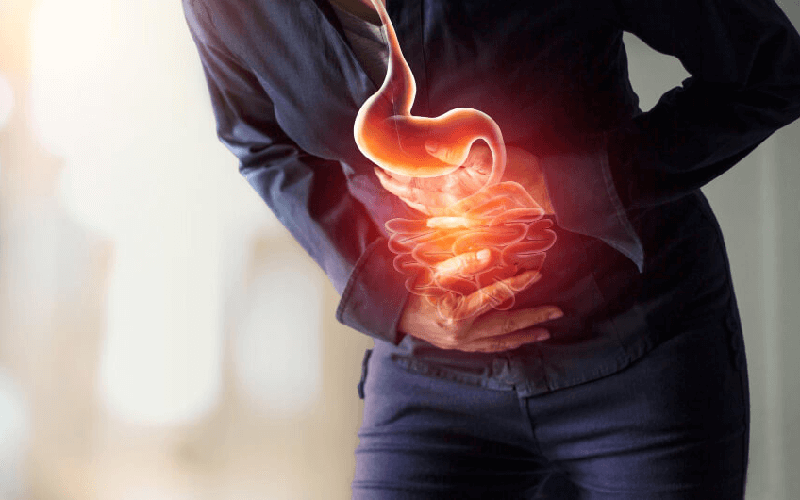
Not every digestive symptom is simply a result of getting older.
Constipation can be associated with inadequate fiber, dehydration, low physical activity, certain medications, changes in routine, diabetes, hypothyroidism and several other conditions.
Similarly, frequent bloating and gas can occur with conditions such as IBS, food intolerances and other digestive disorders.
This is why repeatedly treating symptoms without understanding the underlying pattern may not solve the problem.
So, Does Digestion Really Get Worse After 30?
Not necessarily.
There isn’t a switch that flips when you turn 30.
What can change is your lifestyle, food choices, activity levels, stress, sleep and overall health. These changes may contribute to digestive symptoms that become more noticeable during your 30s.
If you regularly experience bloating, constipation, gas, acidity, indigestion or discomfort after meals, it’s worth looking beyond your age and examining your overall diet and lifestyle.
How Can You Support Better Digestion After 30?
Start with the basics:
- Eat enough fiber and increase it gradually.
- Drink adequate fluids.
- Include a variety of fruits and vegetables.
- Choose minimally processed foods more often.
- Eat meals at a comfortable pace.
- Stay physically active.
- Pay attention to foods that repeatedly trigger symptoms.
- Maintain a consistent eating routine.
- Avoid lying down soon after meals if you experience reflux.
- Don’t rely on unnecessary supplements or restrictive diets without professional guidance.
Most importantly, don’t assume that every digestive problem is normal simply because you’re getting older.
When Should You See a Doctor?
Occasional digestive discomfort is common, but persistent or worsening symptoms deserve attention.
Seek medical advice if you experience symptoms such as unexplained weight loss, persistent vomiting, difficulty swallowing, blood in your stool, black stools, severe or constant abdominal pain, or long-lasting abdominal swelling or bloating.
Can Nutrition Help With Digestive Problems?
There is no single diet that works for everyone with digestive issues.
Your symptoms, food habits, lifestyle, medical history and nutritional needs all matter. For some people, identifying specific food triggers and improving fiber, hydration, meal patterns and overall diet quality can be an important part of managing digestive symptoms. NIDDK also recommends discussing individualized dietary changes with a doctor or registered dietitian when appropriate.
Looking for Personalized Nutrition Guidance?
If bloating, acidity, constipation, gas or indigestion have become a regular part of your life, don’t simply blame it on getting older.
At Easy Diet, Dr. Abhijit Bhattacharya [PhD in Nutrition] can help you understand your dietary patterns, identify possible nutrition-related triggers and develop a personalized eating plan based on your individual needs.
Want to understand what may be affecting your digestion?
Consult Dr. Abhijit Bhattacharya at Easy Diet for personalized nutrition guidance.